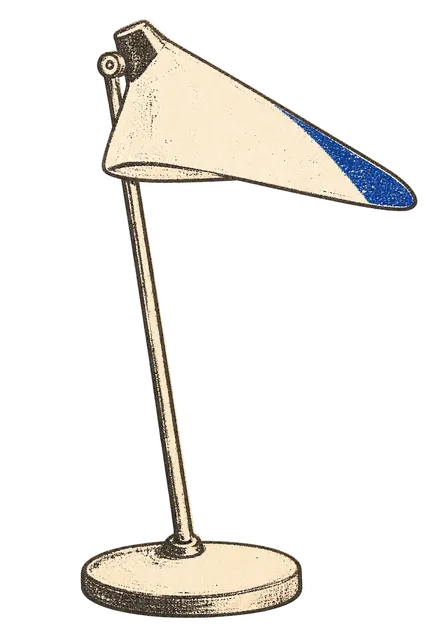
A page can begin with something you almost missed: the cup beside your notebook, a book left open, or the keys you set down when you came home. Analog Dopamine gives those details a print-inspired shape. Warm paper tones and charcoal lines carry most of each illustration; a small note of cobalt, vermilion, or orange draws the eye. Its three Boards have different jobs: an object starts the story, a mark guides the reading, and a frame makes room for what you want to keep.
Start with the thing that happened
Collection · 14 illustrationsEveryday bright spots.View collection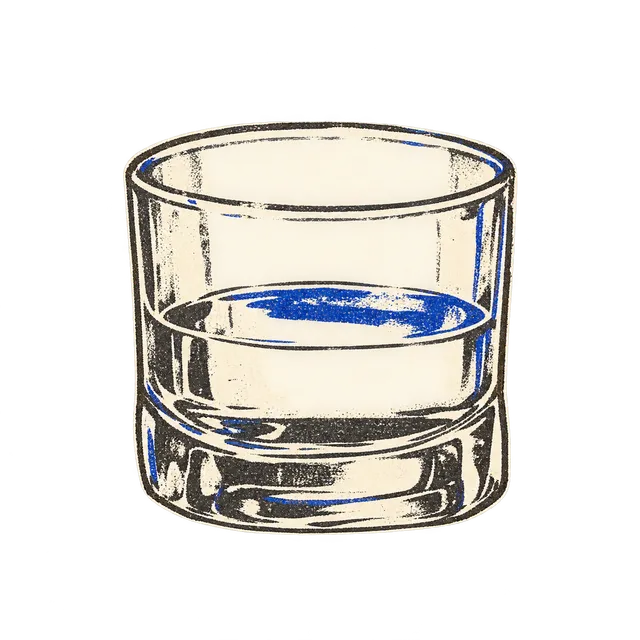
Choose one familiar object that belongs to the entry, then place it a little off center. An afternoon coffee cup can sit near the first line of a break-time note. An open paperback can end a reading entry. A key dish can anchor three lines about coming home.
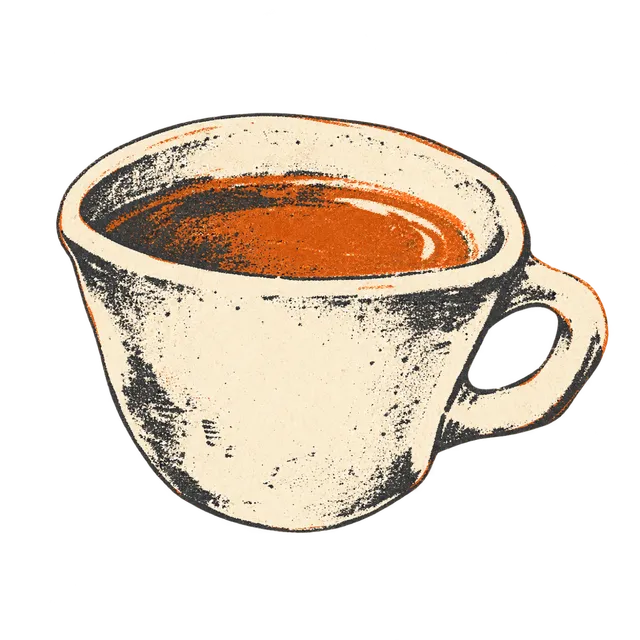
Ask what happened, then write a time, place, or one specific sentence beside the image. Keep it small enough that your words remain easy to read. If the illustration already has an orange or blue accent, let that be the page's strongest color.
Add a little direction
Collection · 16 illustrationsMarks & captions.View collection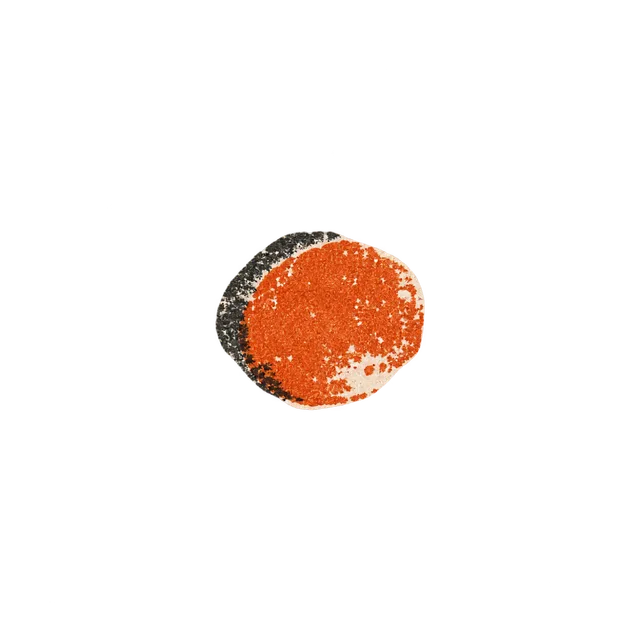
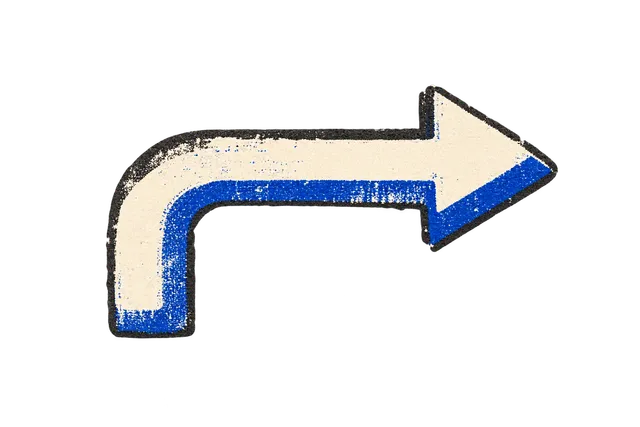
The marks work like punctuation. An off-center circle can pick out a date; a turning arrow can lead from an image to a sentence; a wavy underline can make one phrase easy to find again. Pick one mark for a reason. Several pointing at the same line will only make the instruction louder.


The printed captions offer another cue. Put “a good little thing” under a detail you want to remember, or “still counts” beside a small task finished late in the day. The caption can name the emphasis; use your own words for the actual story.
Make room for what you want to keep
Collection · 8 illustrationsFrames & scraps.View collection
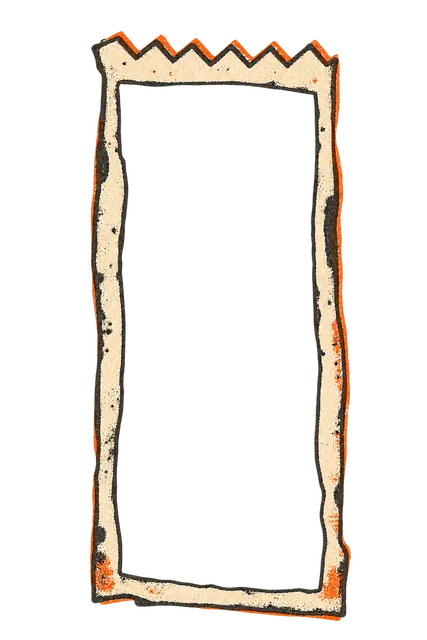
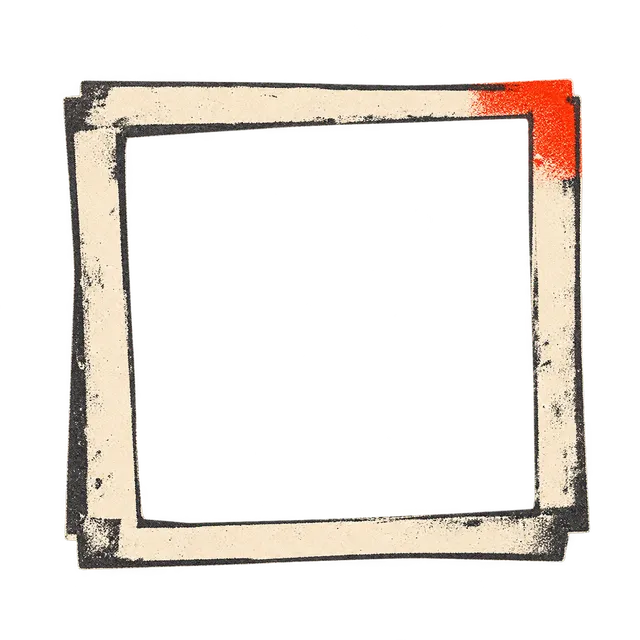
The open photo frames can surround a picture, a receipt-like note, or a short quotation without covering its center. A torn paper strip or folded label can sit behind a heading. Try one frame per page: near the top if the rest of the entry responds to it, or near the bottom if it gathers the thought at the end.
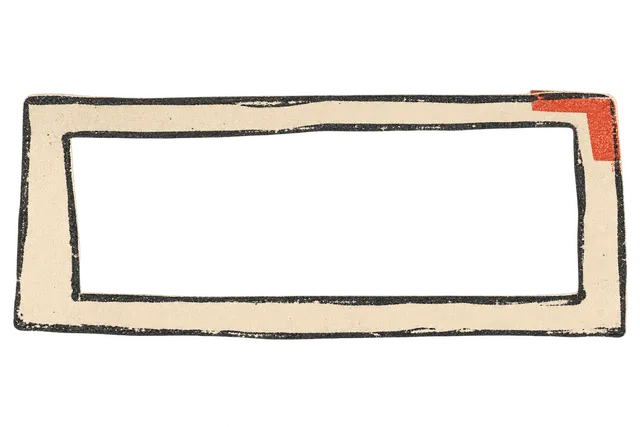
Keep nearby text clear of the frame's edges. Its boundary already sets the content apart; there is no need to decorate every corner.
One page, three small decisions
For an evening entry, place the coffee cup toward the upper left. Write two lines about where you paused during the day. Circle the date once, then put the sentence you want to carry forward inside a square frame. Leave the lower right open. That space lets the object, mark, and sentence each do a different job.
The same pattern can hold a reading note or weekend photo. Change the object and frame, keep one clear accent, and let the words decide how much of the page to fill.